
Facility Management is an integral component of effectively managing operations, ensuring that facilities are appropriately maintained and optimized to enhance productivity.
This article will examine the definition, significance, and fundamental components of Facility Management. It will analyze the advantages of proficient Facility Management in improving business operations and identify the industries that have experienced benefits from its implementation.
The discussion will encompass the obstacles associated with inadequate Facility Management and offer guidance on the integration of Facility Management software.
Explore optimal approaches in Facility Management to enhance operational efficiency and output. We invite you to join us in unraveling the strategies behind a well-coordinated and successful operation.
Key Takeaways:
- Effective facility management is crucial for enhancing overall business operations and minimizing risks.
- Industries across different sectors can benefit from implementing facility management strategies and software.
- Best practices include communication, team structure management, risk management, and leveraging technology and data for improved efficiency.
Definition and Importance
The concept of Facility Management encompasses the strategic coordination and supervision of facility-related decisions to guarantee the optimal maintenance and utilization of assets. The significance of Facility Management lies in its capacity to streamline operations, improve efficiency, and lower overall maintenance expenses for businesses.
Efficient facility management involves the thorough tracking and revision of asset inventory, monitoring maintenance timetables, and implementing proactive strategies to ensure optimal performance. Facility leaders assume a pivotal role in steering decision-making processes that are in line with organizational objectives and support operational triumph. By prioritizing maintenance activities and leveraging data-driven insights, facility managers can exert a substantial influence on the durability and sustainability of business operations.
Key Elements of Facility Management
The key elements of Facility Management include preventive maintenance strategies, the utilization of IoT tools for data-driven insights, efficient asset inventory management, and the implementation of maintenance management software for streamlined operations.
Preventive maintenance is essential in ensuring that the equipment and systems within a facility undergo regular servicing and inspection to prevent breakdowns and expensive repairs, thus maintaining optimal functionality.
The integration of IoT technology allows for real-time monitoring and analysis of various aspects such as energy consumption, equipment performance, and space utilization. This enables facility managers to make data-driven decisions.
Efficient asset inventory management involves the categorization of assets, tracking their lifecycle, and the implementation of a systematic approach to maintenance scheduling and resource allocation.
By leveraging maintenance management software and data analytics, facility managers can automate workflows, track maintenance histories, and generate insightful reports for well-considered choices.
Understanding the Core Components
The comprehension of the fundamental elements of Facility Management hinges on the strategic utilization of data analytics to enhance facility efficacy, diminish operational expenses, streamline the work order procedure, and ensure the seamless execution of maintenance operations.
Through the application of data analytics, facility managers have the ability to acquire real-time insights concerning equipment performance, energy consumption patterns, and occupancy tendencies. This capability allows them to make well-informed decisions regarding proactive maintenance measures and resource allocation, ultimately culminating in the maximization of cost-effectiveness and operational efficiency.
The incorporation of technologies such as IoT sensors and predictive maintenance software further amplifies the efficiency of work order management by facilitating automatic alerts for maintenance assignments and optimizing scheduling processes. These technological advancements give the power to facility managers to provide superior service levels while minimizing operational downtime and elevating overall performance outcomes.
Benefits of Effective Facility Management
Effective Facility Management presents a plethora of advantages to organizations, encompassing improved facility maintenance, well-well-considered choices, and heightened operational success achieved through streamlined processes and cost-effective solutions.
Efficiently managing maintenance tasks enables facilities to reduce downtime and unexpected breakdowns, thereby ensuring seamless operations and maximizing productivity.
Furthermore, making strategic decisions based on real-time data and insights give the power tos facilities to swiftly adapt to evolving needs and market demands. This proactive approach not only bolsters operational efficiency but also underpins long-term sustainability and growth for organizations.
The significance of effective facility management lies in its ability to cultivate an environment conducive to success by optimizing resources, elevating safety standards, and nurturing a culture of continuous improvement.
Enhancing Business Operations
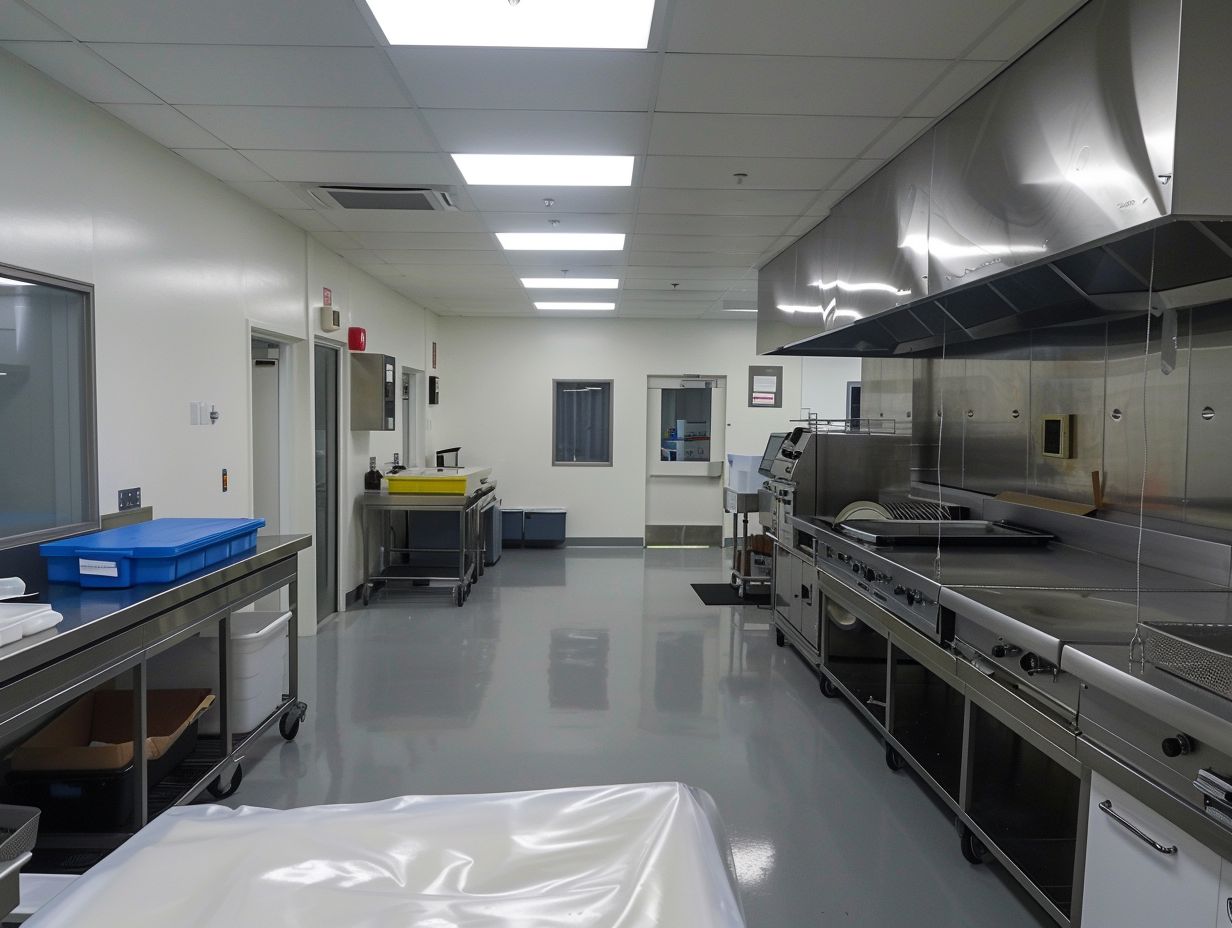
Improving business operations through effective facility management involves the implementation of preventive maintenance plans, optimization of facility operations, and minimization of maintenance costs to create a conducive and productive working environment.
The adoption of a proactive preventive maintenance strategy can substantially mitigate unexpected breakdowns and expensive repairs, ultimately enhancing operational efficiency. Through the optimization of facility operations, businesses can streamline processes, improve workflow, and establish a secure, well-maintained environment for employees. The utilization of cost-effective maintenance approaches not only results in cost savings but also prolongs the lifespan of equipment and infrastructure, offering enduring advantages to the organization. A well-managed facility plays a pivotal role in the overall success and sustainability of a business.
Industries Benefiting from Facility Management
Diverse industries derive substantial benefits from the effective implementation of facility management practices, encompassing sectors such as healthcare, education, manufacturing, and hospitality. Facility management assumes a pivotal role in optimizing asset inventory and facilitating informed facility-related decisions.
In the healthcare sector, facility management ensures the proper maintenance of medical equipment, adhering to regulatory standards and thereby contributing to the enhancement of patient safety. Educational institutions leverage facility management to cultivate conducive learning environments and efficiently manage classroom spaces. Within the manufacturing domain, facility management streamlines operational processes to bolster production efficiency and minimize downtime. In the hospitality industry, facility management is a critical component in upholding guest satisfaction by seamlessly managing building infrastructure and services.
Exploring Different Sectors
The exploration of various sectors within facility management entails comprehending the distinct challenges and requirements encountered by industries such as healthcare, education, and commercial real estate in the management of facility lighting, HVAC systems, and operational workflows.
In healthcare facilities, the efficacy of lighting not only influences patient comfort but also plays a pivotal role in enhancing staff productivity. Due to stringent regulations and the necessity for continuous operations, healthcare facilities necessitate robust HVAC systems to uphold ideal indoor air quality.
Within educational environments, the harmonization of energy efficiency with appropriate lighting levels is crucial for establishing conducive learning atmospheres. Educational institutions also require adaptable HVAC solutions to accommodate fluctuating occupancy levels.
Commercial real estate confronts the obstacle of ensuring optimal lighting to enhance tenant satisfaction, in conjunction with HVAC systems that support diverse office layouts and operational workflows.
Challenges of Poor Facility Management
Insufficient Facility Management practices can have substantial repercussions and vulnerabilities for organizations, manifesting as heightened maintenance expenditures, operational inefficacies, and potential safety hazards that have implications for both staff members and business continuity efforts.
Inadequate maintenance of facilities may lead to malfunctions in critical equipment, thereby disrupting daily activities and potentially necessitating costly repairs or replacements. Failure to adhere to regular maintenance routines can present significant safety hazards, placing occupants at risk of accidents or dangers. Such oversights in facility management can also damage the reputation of the organization, dissuade potential clients, and impact workforce morale. Prolonged neglect of essential maintenance duties could result in penalties for non-compliance with regulations, placing further strain on the financial robustness of the organization.
Consequences and Risks
The repercussions and hazards of inadequate facility management transcend mere augmented maintenance expenses to encompass diminished facility effectiveness, breakdowns in communication, and potential contravention of regulations, all of which impact the overall performance of the business.
In instances where facilities are not appropriately managed, the lack of timely maintenance may lead to equipment malfunctions, decreased productivity, and heightened periods of downtime. Such circumstances not only escalate repair expenditures but also impede the overall operational efficiency of the facility.
Inadequate communication within the facility management team and with external stakeholders could culminate in delays, misinterpretations, and mistakes, further compounding operational difficulties. Furthermore, failure to adhere to regulatory mandates due to deficient facility management practices can result in fines, penalties, or legal actions, posing a substantial risk to the organization’s reputation and financial soundness.
Implementing Facility Management Software
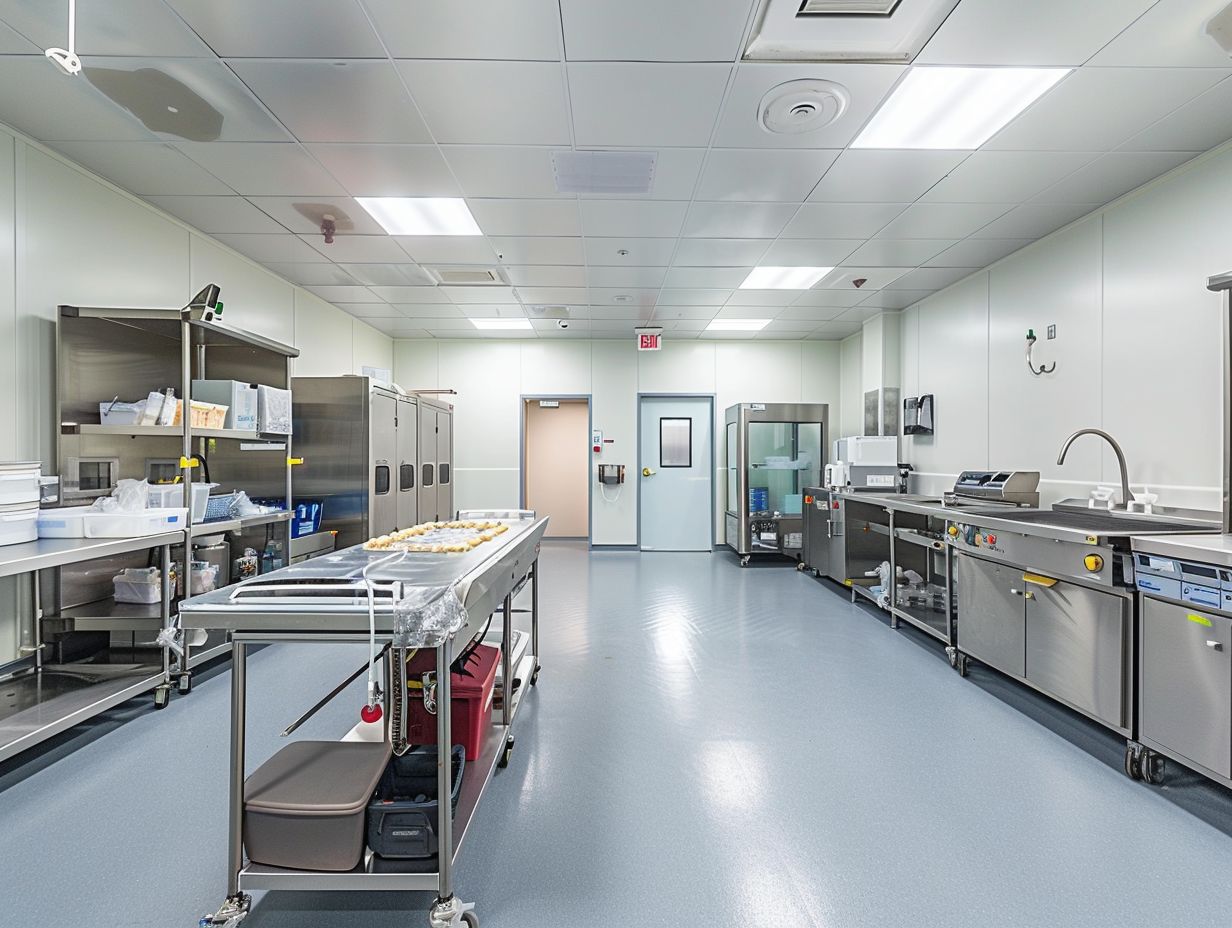
The implementation of Facility Management Software entails the digitalization and automation of maintenance processes, utilizing IoT tools for data-driven insights, and establishing preventive maintenance plans to improve operational efficiency and prolong asset lifespan.
These sophisticated software solutions are pivotal in optimizing facility management operations. Through the utilization of FM software, organizations can monitor equipment performance in real-time, proactively identify potential issues, and efficiently schedule maintenance tasks.
The incorporation of IoT integration facilitates seamless communication between devices and systems, enabling the implementation of predictive maintenance strategies. By incorporating preventive maintenance schedules within the software, organizations ensure that assets receive proper maintenance, thereby reducing downtime and optimizing operational workflows.
This integration of technology shifts traditional maintenance practices towards data-centric, proactive approaches, leading to enhanced reliability and cost-effectiveness.
Simplifying Operations with Technology
The utilization of technology in facility management to streamline operations involves the implementation of IoT solutions for real-time monitoring, optimization of asset inventory management, and the deployment of maintenance management software for enhanced efficiency.
By incorporating IoT technology, facilities can effectively monitor critical systems and equipment performance from a remote location, enabling proactive maintenance measures and minimizing downtime. Through the utilization of digital tracking systems for asset inventory optimization, resources can be allocated and maintained with greater efficiency. Additionally, the integration of maintenance management software facilitates the streamlining of work orders, scheduling, and reporting processes, thereby improving operational efficiency and reducing the occurrence of human errors.
This integration of technology not only enhances overall facility performance but also enables data-driven decision-making processes that contribute to long-term operational success.
Best Practices in Facility Management
The implementation of Best Practices in Facility Management includes effective communication strategies, proactive preventive maintenance plans, and the facilitation of mobile accessibility to streamline operations and enhance facility efficiency. Utilizing digital tools such as facility management software and apps can promote real-time information sharing among team members, ensuring seamless communication within the facilities.
Preventive maintenance, which is a critical component of Facility Management, entails conducting regular inspections and addressing potential issues before they escalate. This approach optimizes equipment lifespan and contributes to the overall efficiency of the facility.
Embracing mobile accessibility enables facility managers and staff to access vital data and perform tasks remotely. This accessibility leads to increased productivity and allows for a more agile response to facility requirements.
Strategies for Improved Efficiency
Strategies aimed at enhancing efficiency in facility management encompass the optimization of team structures, the implementation of robust risk management protocols, and the maximization of space utilization to improve operational productivity and cost-effectiveness.
A critical element in optimizing team structures involves establishing clear communication channels and articulating roles and responsibilities effectively. By nurturing a culture of accountability and collaboration, teams can operate cohesively towards shared objectives.
In the realm of risk mitigation, the proactive identification of potential risks and the development of contingency plans are paramount. This approach not only reduces disruptions but also equips the team to address unforeseen challenges adeptly.
Space optimization plays a pivotal role in maximizing efficiency. Leveraging technology for space planning and integrating flexible workspace designs can facilitate the optimization of available resources.
1. Communication and Collaboration
Effective communication and collaboration play a crucial role in facility management by ensuring smooth coordination, teamwork, and the successful completion of maintenance tasks and operational workflows.
By nurturing transparent channels of communication and fostering collaboration among team members, facility managers can enhance overall operational efficiency. When team members communicate effectively, they exchange insights, pinpoint potential issues, and collectively devise innovative solutions. This proactive approach not only streamlines task execution but also enriches the problem-solving capabilities within the team.
Moreover, effective communication and collaboration cultivate a sense of solidarity and mutual understanding among team members, fostering a harmonious work environment where everyone is unified towards shared goals and objectives.
2. Team Structure Management
Effective team structure management in facility operations entails establishing well-defined roles, responsibilities, and hierarchies to maximize team performance, improve accountability, and facilitate efficient task delegation.
Role clarity is vital for cultivating a productive work environment where team members have a clear understanding of their specific duties and how they contribute to the organization’s overall objectives. Optimal performance is realized when each team member is equipped with the necessary resources, support, and guidance to excel in their respective roles.
Task delegation is a critical component in allocating work effectively, capitalizing on individual strengths, and fostering collaboration among team members to achieve operational success in facility management.
3. Risk Management
Effective risk management in facility operations involves the identification of potential risks, the implementation of mitigation strategies, ensuring regulatory compliance, and the maintenance of a safe and secure working environment for employees.
By proactively identifying potential risks, facilities can anticipate challenges before they escalate, thereby safeguarding against financial losses and reputational damage. Mitigation strategies, such as the implementation of safety protocols, conducting regular inspections, and investing in proper training programs, can significantly reduce the likelihood of incidents. Compliance requirements are instrumental in risk management, ensuring that organizations adhere to industry standards and regulations to minimize legal liabilities.
Prioritizing risk assessment and operational safety not only protects employees but also enhances overall operational efficiency and sustainability.
4. Space Utilisation Optimization
Optimizing space utilization is a critical aspect of facility management aimed at enhancing operational efficiency, streamlining workflows, and boosting productivity by effectively leveraging available space and aligning it with business requirements.
Through strategic planning and the systematic organization of facility layouts, organizations can foster a conducive environment that promotes collaboration, innovation, and optimal performance among employees. Efficient space utilization facilitates smoother workflow processes, reduces unnecessary movements, and enhances the allocation of resources, resulting in cost efficiencies and improved productivity.
Moreover, it enables companies to effectively respond to evolving needs, accommodate growth, and maximize the functionality of every area to meet specific objectives. Embracing adaptive space utilization strategies can significantly contribute to business success, fostering a dynamic and responsive workplace environment.
5. Asset Inventory Establishment
The establishment of an effective asset inventory system in facility management entails the creation of comprehensive databases, tracking mechanisms, and maintenance records to optimize asset utilization, minimize downtime, and ensure proactive maintenance planning.
Centralizing asset data within a robust database management system simplifies the tracking of each asset’s lifecycle, encompassing acquisition, maintenance, and retirement stages. The utilization of tracking systems allows for real-time monitoring of asset locations and conditions, facilitating the swift recognition of maintenance requirements or potential issues.
Maintenance records play a pivotal role in documenting previous maintenance activities, thereby facilitating well-considered choices regarding the scheduling of preventative maintenance and the identification of recurring issues. This proactive approach aids facilities in preempting asset failures, reducing costly downtime, and enhancing overall operational efficiency.
6. Digitization and Automation
Digitization and Automation are crucial components of contemporary facility management strategies, employing IoT technology, smart sensors, and automated workflows to improve operational efficiency, data precision, and predictive maintenance capabilities.
The incorporation of IoT devices and intelligent sensors enables facilities to gather real-time data on equipment performance, energy usage, and environmental conditions. This data is then utilized in predictive maintenance algorithms, which give the power to the proactive identification of potential issues before they escalate. By automating routine tasks like HVAC control and adjusting lighting based on occupancy levels, facilities can optimize energy consumption and establish more sustainable operational practices. The seamless connectivity fostered by digital transformation enhances inter-system communication, facilitating improved coordination and streamlined processes within facilities.
7. Preventive Maintenance Planning
The discipline of Preventive Maintenance Planning holds significant importance in the field of facility management. By establishing a comprehensive plan, facility managers can effectively schedule routine inspections, proactively address potential issues, and thus minimize downtime. This approach serves to reduce overall maintenance costs and prolong the lifespan of assets.
Through regular and systematic equipment checks, this proactive strategy ensures the timely identification and resolution of potential failures before they escalate, optimizing the longevity of assets within a facility. By adhering to structured inspection schedules, facilities can detect emerging issues in their early stages, thereby mitigating the risk of costly breakdowns and operational disruptions. The implementation of cost-effective maintenance practices facilitated by preventive planning plays a crucial role in managing expenses, optimizing resource allocation, and ultimately enhancing the overall efficiency and performance of the facility.
8. Leveraging IoT and Predictive Analytics
The utilization of IoT and Predictive Analytics in facility management facilitates real-time monitoring, data-driven insights, and predictive maintenance capabilities to optimize operational performance, enhance decision-making processes, and minimize costly downtime.
Through the utilization of IoT tools including sensors, beacons, and smart devices, facilities can accumulate a substantial amount of real-time data concerning equipment performance, energy consumption, and environmental conditions. This continuous flow of data give the power tos facilities managers to pre-emptively detect and resolve issues before they escalate, ultimately resulting in enhanced efficiency and reduced maintenance expenses. Predictive analytics algorithms analyze this data to offer valuable insights, predict equipment malfunctions, and recommend optimal maintenance schedules. This data-centric approach enables decision-makers to prioritize tasks, allocate resources effectively, and streamline operations to achieve maximum productivity.
9. Mobile Accessibility Enablement
The implementation of Mobile Accessibility Enablement in facility management involves the strategic utilization of technology to enable remote access, streamline maintenance tasks, and facilitate real-time communication for on-the-go facility management operations.
The integration of mobile accessibility solutions into facility management processes give the power tos facilities managers to efficiently oversee maintenance schedules, allocate resources effectively, and promptly address issues as they arise. Through the utilization of user-friendly mobile interfaces and intuitive task management tools, field technicians can seamlessly log reports, access work orders, and communicate with the team in real-time.
These technological advancements not only serve to enhance operational mobility but also contribute to improved response times, thereby ensuring that facilities are well-maintained and operating smoothly at all times.
10. Data Utilization and Analytics
The utilization of data and analytics in facility management facilitates the extraction of actionable insights, performance metrics, and operational trends that can drive well-considered choices, optimize resource allocation, and enhance overall facility efficiency.
Through the analysis of historical data and real-time information, these analytics tools offer valuable insights into equipment maintenance schedules, energy consumption patterns, and space utilization efficiency. The utilization of predictive analytics allows facility management teams to anticipate maintenance requirements, forecast budgetary needs, and proactively address potential risks.
Furthermore, the integration of IoT sensors and smart building technologies contributes to the accuracy of data collection for continuous performance evaluation and optimization strategies. Operational analytics applications give the power to facility managers to make data-driven decisions that streamline processes, reduce expenses, and ensure optimal resource utilization within the facility environment.
11. Customized Approach to FM
A tailored approach to Facility Management involves the comprehension of unique operational requirements, the customization of solutions to address specific needs, and the implementation of personalized strategies to optimize facility performance and achieve organizational goals.
This personalized methodology enables a more effective utilization of resources, as solutions are tailored to the specific requirements of each facility. By aligning operations with customized strategies, Facility Management can improve cost-effectiveness, productivity, and overall performance. Strategic optimization is integral in ensuring seamless and efficient facility operations.
Through the adoption of customized approaches, organizations can attain heightened operational efficiency, enhanced maintenance results, and a more sustainable infrastructure. The incorporation of personalized strategies into facility management practices promotes a proactive and adaptable environment capable of promptly addressing evolving demands and challenges.
FAQs about Facility Management
Delve into the frequently asked questions (FAQs) regarding Facility Management to address common inquiries, clarify uncertainties, and provide insights into best practices, industry trends, and innovative solutions within the FM sector.
Whether one is at the initial stages of their career in facility management or seeking to augment their existing knowledge, comprehending the fundamental aspects of FM is paramount. This segment will examine diverse topics, including the significance of preventive maintenance, cost-effective energy management approaches, optimization of space utilization, and adherence to regulatory standards.
By perusing through these FAQs, individuals can acquire a more profound insight into the ways in which efficient facility management can optimize operational efficiency, augment employee productivity, and contribute to the overall prosperity of a business.
Frequently Asked Questions
What is facility management and why is it important for a well-run operation?
Facility management involves the coordination of all activities related to a facility, including maintenance, security, and operations. It is essential for a well-run operation as it ensures the smooth functioning of all aspects of a facility, which ultimately leads to increased productivity and efficiency.
How can facility management help a business save money?
By properly managing a facility, businesses can save money through efficient energy usage, proactive maintenance to avoid costly repairs, and optimizing space and resources. Facility management also helps to identify cost-saving opportunities and negotiate better deals with vendors and suppliers.
What are the key responsibilities of a facility management team?
A facility management team is responsible for the overall maintenance and upkeep of a facility, managing budgets and expenditures, ensuring compliance with safety and regulatory standards, and overseeing any necessary renovations or upgrades.
How can facility management improve the overall employee experience?
Effective facility management can improve the overall employee experience by providing a safe and comfortable work environment, addressing any maintenance or safety concerns promptly, and ensuring that all necessary resources and amenities are available for employees to perform their jobs effectively.
What sets Defender Services apart as a top staffing agency for facility management roles?
At Defender Services, we have a deep understanding of the facility management industry and the necessary skills and qualifications for success in these roles. Our thorough screening and vetting process ensures that we match the right candidates with the right positions, leading to successful long-term partnerships.
What types of facilities can benefit from professional facility management?
Any type of facility, whether it’s an office building, warehouse, school, or hospital, can benefit from professional facility management. It helps to streamline operations, maintain the facility’s value, and create a positive working environment for employees.