
Are you considering a career in warehouse jobs but unsure where to start? Look no further!
In this comprehensive guide, we will explore the evolution of warehouse employment, the roles and responsibilities of a warehouse worker, the essential skills needed to excel in this field, the application process for warehouse positions, salary insights, and the advantages of pursuing a career in the industry.
Stay tuned as we delve into the world of warehouse jobs and how you can thrive in this dynamic and essential sector.
Key Takeaways:

- Warehouse jobs offer a wide range of duties, including inventory management, order fulfillment, quality control, material handling, and safety compliance.
- Successful warehouse workers possess skills such as detail orientation, endurance, organizational skills, teamwork, and adaptability.
- The application process for warehouse positions should include researching salary insights, crafting a strong application, and preparing for job interviews.
Introduction to Warehouse Jobs
Warehouse jobs play a crucial role in the functioning of supply chains and businesses. From managing inventory to ensuring efficient operations, warehouse workers are the backbone of the thriving warehouse industry in today’s job market.
Not only do warehouse jobs involve physical labor and meticulous organization, but they also require strong attention to detail and effective communication skills to coordinate with various teams within the supply chain. Warehouse workers are responsible for receiving, storing, and distributing goods efficiently, which directly impacts the overall productivity and customer satisfaction of businesses. With the advancement of technology, warehouse roles have evolved to include the use of automation, robotics, and inventory management software, offering opportunities for workers to enhance their skills and adapt to the changing landscape of the industry.
Understanding the Evolution of Warehouse Employment
The evolution of warehouse employment has been significantly influenced by technological advancements, particularly the integration of warehouse robotics and automation solutions. Companies like Amazon have set the stage for a new era in warehouse operations, where tasks once performed by humans are now executed by efficient warehouse robots.
These advancements have not only changed the way warehouses operate but have also revolutionized the nature of jobs within these facilities. Tasks that were traditionally labor-intensive and time-consuming are now streamlined and optimized through the use of AI (Artificial Intelligence) and AMRs (Autonomous Mobile Robots). For instance, picking and packing, which used to require significant manpower and hours, are now accomplished at a much faster pace with the precision and efficiency of automated systems.
Roles and Responsibilities of a Warehouse Worker
Warehouse workers shoulder diverse responsibilities that are pivotal in the smooth functioning of warehouse operations.
They are responsible for receiving incoming stock, organizing products in the warehouse, maintaining accurate records of inventory, and preparing orders for shipment. Warehouse workers play a crucial role in ensuring workplace safety by following proper protocols and handling equipment carefully.
Collaboration and teamwork are integral parts of their daily routine, as they often work closely with colleagues to complete tasks efficiently. Their attention to detail and ability to work well under pressure are highly valued qualities in the fast-paced environment of warehouse operations.
Overview of Warehouse Worker Duties
Warehouse worker duties encompass a wide range of tasks, from physical labor to strategic decision-making. The dynamic nature of warehouse operations requires workers to adapt to varying job roles and responsibilities, fostering skill development and enhancing overall job satisfaction.
Warehouse workers handle inventory management, order processing, and shipment coordination, ensuring timely delivery and efficient workflow.
They use technology like inventory software and automated conveyor systems, requiring technical proficiency and problem-solving skills.
Workers engage in quality control processes, such as inspecting goods for damages or discrepancies, emphasizing attention to detail and accuracy.
The hectic warehouse environment demands teamwork and communication, leading to the cultivation of soft skills like collaboration and conflict resolution.
Inventory Management
Inventory management is a critical aspect of a warehouse worker’s role, involving the tracking, organization, and maintenance of products within the warehouse environment. Effective inventory management contributes to operational efficiency and ensures timely order fulfillment.
Warehouse workers play a pivotal role in maintaining accurate inventory records, conducting regular stock checks, and optimizing storage space utilization to streamline operations. By utilizing various inventory management techniques such as FIFO (First In, First Out) or JIT (Just-In-Time), workers can help minimize overstocking, reduce holding costs, and prevent stockouts. Inventory management enhances workers’ attention to detail, problem-solving abilities, and overall organizational skills, contributing to their professional development.
Proficient inventory management not only aids in maintaining inventory accuracy but also assists in forecasting demand, preventing theft, and improving overall warehouse safety. Warehouse workers who excel in inventory management are often recognized for their ability to maintain a well-organized and efficient warehouse, fostering a positive work environment and enhancing the company’s bottom line.
Order Fulfillment
Order fulfillment is a key responsibility of warehouse workers, involving the picking, packing, and shipping of products to meet customer demands. Efficient order fulfillment processes are essential for maintaining customer satisfaction and driving business success.
Ensuring smooth order fulfillment operations requires coordination between various warehouse tasks.
- Picking, the process of selecting items from inventory shelves, needs to be accurate and efficient to avoid delays.
- Packing involves carefully packaging the items to prevent damage during transit.
- Shipping encompasses the final stage of the process, where items are dispatched to customers in a timely manner.
Effective teamwork among warehouse staff is crucial to streamline these tasks and optimize the overall order fulfillment process.
Quality Control
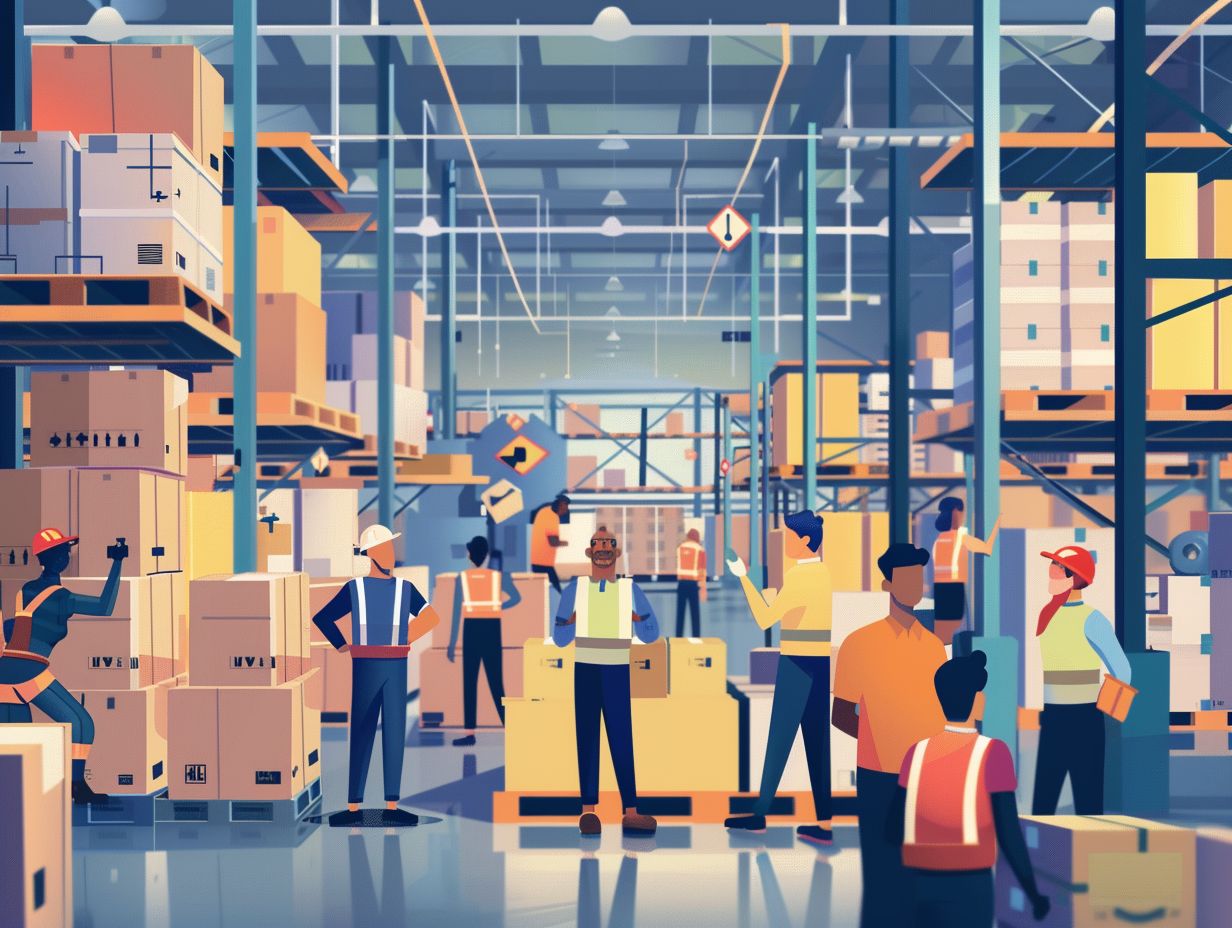
Quality control is a crucial aspect of a warehouse worker’s role, ensuring that products meet specified standards before they are shipped to customers. Implementing effective quality control measures enhances customer satisfaction and maintains the reputation of the business.
By incorporating quality control protocols in warehouse operations, companies can minimize the risk of defective goods reaching consumers. This involves rigorous inspection procedures, thorough record-keeping, and adherence to industry regulations. Maintaining consistent product standards not only safeguards against potential recalls but also boosts operational efficiency. Warehouse employees play a vital role in upholding these standards, contributing to overall job performance and streamlining the process of task completion.
Material Handling
Material handling is a fundamental aspect of a warehouse worker’s duties, involving the movement, storage, and transportation of goods within the warehouse environment. Proficient material handling practices are essential for optimizing workflow efficiency and reducing operational costs.
Efficient material handling ensures that goods are properly stored, sorted, and accessible for quick retrieval as needed during various warehouse operations. The physical demands of material handling tasks can vary from lifting heavy items to operating machinery such as forklifts and pallet jacks. Implementing ergonomic practices in material handling reduces the risk of workplace injuries and enhances overall worker safety, directly impacting job performance and employee morale.
Safety Compliance
Safety compliance is a paramount concern for warehouse workers, as they are responsible for adhering to safety protocols and regulations to prevent workplace accidents and injuries. Prioritizing safety measures not only protects employees but also ensures smooth warehouse operations.
Warehouse safety protocols encompass a range of measures such as regular equipment maintenance, clear signage, training programs, and emergency response plans. The Occupational Safety and Health Administration (OSHA) sets stringent guidelines to guarantee a safe working environment.
Workers are required to wear appropriate personal protective equipment (PPE) and follow proper lifting techniques to reduce the risk of injury. Implementing safety measures can improve employee morale, reduce absenteeism due to injury, and enhance overall productivity within the warehouse setting.
Essential Skills for Warehouse Workers
Warehouse workers require a diverse set of skills to excel in their roles, ranging from attention to detail in inventory management to physical stamina for demanding tasks. Organizational skills, teamwork, and adaptability are also essential for navigating the dynamic warehouse environment.
Attention to detail is crucial in accurately tracking and organizing inventory to ensure efficient operations within the warehouse. Warehouse workers must possess the ability to meticulously check and document incoming and outgoing goods to prevent errors and discrepancies.
Physical stamina is vital as the job often involves lifting, carrying, and moving heavy items. This requires workers to stay physically fit and have the endurance to handle the physical demands of the job.
Strong organizational skills play a key role in maintaining order and maximizing space utilization within the warehouse. Workers with excellent organizational abilities can streamline processes, reduce clutter, and optimize storage efficiency.
Teamwork is essential for warehouse workers to collaborate effectively with their colleagues, coordinate tasks, and ensure smooth operations. By fostering a sense of unity and cooperation, teams can enhance productivity and achieve common goals efficiently.
Adaptability is another critical skill that allows warehouse workers to adjust to unforeseen challenges, changes in inventory, or fluctuating demand. Being able to quickly adapt to new situations and work requirements enables employees to stay productive and responsive in a fast-paced environment.
Detail Orientation in Inventory Management
Detail orientation is a critical skill for warehouse workers involved in inventory management, as it requires meticulous tracking, labeling, and organization of products within the warehouse. Attention to detail ensures accuracy in inventory records and efficient order processing.
When warehouse workers pay careful attention to detail, it significantly impacts various aspects of their tasks. From receiving shipments to sorting products,
meticulous tracking avoids discrepancies and losses in stock. Properly labeling items with accurate information not only aids in quick identification but also minimizes errors during order fulfillment. The organizational aspect, such as arranging products according to specific parameters, ensures streamlined operations and facilitates inventory audits. Developing a keen eye for detail through these tasks enhances overall efficiency, accuracy, and productivity in warehouse operations.
Endurance and Stamina for Physical Demands
Endurance and stamina are essential skills for warehouse workers to meet the physical demands of the job, which may involve lifting heavy items, moving equipment, and standing for extended periods. Physical fitness is crucial for maintaining productivity and preventing workplace injuries.
Having endurance and stamina enables workers to perform tasks efficiently without getting fatigued quickly. It allows them to sustain the effort required for manual labor, such as loading and unloading goods, organizing inventory, or operating machinery. Improved physical stamina contributes to overall well-being, reducing the risk of musculoskeletal issues and enhancing job satisfaction. A combination of strength and endurance is essential for warehouse professionals to excel in their roles, as these qualities support skill development and job performance.
Organizational Skills for Efficiency
Organizational skills play a vital role in ensuring efficiency and productivity in warehouse operations. Warehouse workers with strong organizational abilities excel in task prioritization, inventory management, and maintaining a well-structured warehouse layout.
Effective organizational skills enable warehouse workers to streamline processes, reduce errors, and meet deadlines. By having a structured approach to their tasks, they can easily locate items, optimize storage space, and facilitate seamless workflow. The ability to categorize products, utilize labeling systems effectively, and implement systematic workflows enhances overall operational efficiency. Strong organizational skills promote a safe working environment by ensuring proper placement of items and efficient aisle navigation, reducing the risk of accidents or delays.
Teamwork and Collaboration in Warehouse Settings

Teamwork and collaboration are key skills for warehouse workers to thrive in dynamic warehouse settings, where effective communication and cooperation are essential for meeting operational goals. Working well in teams fosters a positive work environment and enhances overall productivity.
By working collaboratively, warehouse workers can capitalize on their individual strengths, complementing each other’s abilities to optimize efficiency and accuracy in daily tasks. This synergy not only streamlines operations but also can lead to lower error rates and improved customer satisfaction. Through effective communication, team members can coordinate seamlessly, reducing delays and ensuring timely order fulfillment. Collaboration fosters a culture of continuous learning and growth, allowing workers to develop new skills through peer-to-peer training and constructive feedback.
Adaptability to Changing Work Environments
Adaptability is a crucial skill for warehouse workers to navigate changing work environments, where new technologies, processes, and challenges emerge regularly. Workers who can adapt quickly and efficiently contribute to operational flexibility and drive continuous improvement.
In dynamic warehouse settings, the ability to adjust to shifting demands and embrace innovation is paramount for warehouse workers. By being able to swiftly acclimate to evolving technologies and workflows, employees can enhance their problem-solving abilities and become more versatile assets to their organizations. A workforce that prioritizes adaptability fosters a culture of resilience and agility, allowing teams to stay ahead of market trends and customer demands.
Application Process for Warehouse Positions
The application process for warehouse positions involves crafting a strong application that highlights relevant skills and experiences, preparing for job interviews to demonstrate suitability for the role, and exploring salary insights to understand the earning potential in the warehouse job market.
When crafting your application for a warehouse role, it’s crucial to focus on showcasing your ability to work efficiently in a fast-paced environment, your attention to detail, and any relevant certifications or training you may have. Make sure to tailor your resume to emphasize skills like inventory management, forklift operation, or experience with warehouse management systems.
For interview preparation, role-playing common warehouse scenarios can help you demonstrate your problem-solving skills and ability to work well under pressure. Research the company to showcase your knowledge of its operations and values during the interview process.
Consider researching the average salaries for warehouse positions in your area to negotiate a fair compensation package. Factors such as experience level, location, and shift schedules can influence salary offers, so it’s essential to enter negotiations well-informed to secure a competitive salary.
Salary Insights and Earning Potential
Understanding salary insights and earning potential is crucial for individuals seeking warehouse positions, as it provides valuable information on compensation structures, industry trends, and opportunities for career advancement in the warehouse job market.
Warehouse workers’ salaries can vary based on factors such as experience, location, and skill level. In general, entry-level positions may start at around $10-$15 per hour, while those with specialized skills or managerial roles can earn upwards of $20-$25 per hour. Understanding the current salary ranges for different positions gives candidates a clearer picture of the earning potential within the warehouse industry.
Staying updated on market trends and demands can help workers negotiate for better pay or seek opportunities in high-demand sectors, thus enhancing their earning prospects. With the rise of e-commerce and global supply chains, warehouse jobs have become increasingly vital, leading to a growing demand for skilled workers.
Tips for Crafting a Strong Application
Crafting a strong application for warehouse positions involves showcasing relevant skills, experiences, and qualifications that align with the job requirements. Tailoring your application to highlight key competencies can increase your chances of securing a warehouse job.
When preparing your application, emphasis should be placed on demonstrating practical skills such as inventory management, forklift operation, and knowledge of safety protocols. Including specific examples of your past achievements in these areas can provide concrete evidence of your capabilities.
Don’t forget to mention any relevant certifications or training programs you have completed, as they can further strengthen your candidacy for warehouse roles.
Remember that each application should be tailored to the specific requirements of the job you are applying for, so be sure to carefully review the job description and incorporate relevant keywords and phrases to make your application stand out.
Preparing for Warehouse Worker Job Interviews
Preparing for warehouse worker job interviews involves researching the company, practicing common interview questions, and showcasing your relevant skills and experiences. Demonstrating enthusiasm for the role and industry can make a positive impression on potential employers.
Researching the company is vital. Look into their values, mission, and any recent news to show that you’re genuinely interested.
Practice common interview questions like situational scenarios, safety protocols, and teamwork dynamics. Your responses should highlight how your skills align with the job requirements.
During the interview, be ready to demonstrate your ability to operate equipment, organize inventory effectively, and work in a fast-paced environment. By highlighting your passion for logistics, problem-solving, and teamwork, you can stand out as a strong candidate.
Advantages of Pursuing a Career in Warehouse Jobs
Pursuing a career in warehouse jobs offers numerous advantages, including job stability, opportunities for skill development, and the satisfaction of contributing to efficient warehouse operations. With the warehouse industry thriving and job satisfaction on the rise, warehouse jobs present promising career prospects.
One of the key benefits of working in a warehouse setting is the sense of job security it provides. Warehouses are essential components of supply chains, ensuring that products are stored, organized, and shipped efficiently. This demand for warehouse services creates a constant need for skilled workers, leading to stable employment opportunities.
Warehouse jobs offer a pathway for individuals to enhance their skills. From operating machinery to inventory management, employees can acquire valuable expertise that can translate into various industries.
Warehouse jobs not only offer job security and skill development but also provide a fulfilling experience by actively contributing to the smooth running of operations.
Differentiating Between Warehouse Worker and Warehouse Associate Roles

Distinguishing between warehouse worker and warehouse associate roles involves understanding the specific responsibilities, tasks, and performance expectations associated with each position. While both roles contribute to warehouse operations, they may vary in terms of job requirements and opportunities for career advancement.
Warehouse workers typically perform physical tasks such as loading and unloading goods, stacking inventory, and ensuring proper storage. Their main focus revolves around manual labor and operational efficiency to keep the warehouse running smoothly.
On the other hand, warehouse associates often take on more administrative and supervisory responsibilities, including inventory management, order processing, and supervising a team of workers.
In terms of performance metrics, warehouse workers may be evaluated based on speed, accuracy in handling materials, and adherence to safety protocols. In contrast, warehouse associates are assessed on metrics like inventory accuracy, order fulfillment rates, and efficiency in optimizing warehouse layouts.
Conclusion and Future Outlook for Warehouse Employment
The future of warehouse employment is poised for further transformation with the integration of advanced technologies like warehouse robots and Industry 4.0 solutions.
The evolving warehouse landscape is enabling operational excellence and creating new job opportunities for individuals seeking careers in the dynamic warehouse industry.
As robotic technology continues to advance, we are witnessing a gradual shift towards automation and efficiency in warehouse operations. This shift not only enhances productivity but also reshapes the role of human workers, focusing more on tasks that require critical thinking and creative problem-solving skills.
With the rise of Industry 4.0 technologies such as IoT, AI, and big data analytics, warehouses are becoming smarter and more interconnected, leading to streamlined processes and optimized inventory management.
Frequently Asked Questions
What is “Warehouse Jobs Unveiled: A Guide to Thriving in the Industry”?
“Warehouse Jobs Unveiled: A Guide to Thriving in the Industry” is an informative guide created to help individuals understand the ins and outs of working in a warehouse setting. It provides valuable information and tips for excelling in this industry.
Is this guide specific to a certain location or company?
No, “Warehouse Jobs Unveiled” is a general guide that can be applied to warehouse jobs in any location or company. However, some tips and information may vary depending on the specific company or location.
Who is this guide for?
This guide is for anyone interested in pursuing a career in the warehouse industry. It can be helpful for individuals who are new to the industry or those looking to improve their skills and advance in their careers.
What topics does this guide cover?
“Warehouse Jobs Unveiled” covers a wide range of topics, including job duties and responsibilities, necessary skills and qualifications, safety protocols, and tips for excelling in a warehouse job. It also provides information on potential career paths and advancement opportunities.
Do I need any specific qualifications to work in a warehouse?
While specific qualifications may vary depending on the company, most warehouse jobs require a high school diploma or equivalent and the ability to lift heavy objects. Some positions may also require certifications or specialized training.
Is there a demand for warehouse workers?
Yes, there is a high demand for warehouse workers in many industries, including e-commerce, manufacturing, and logistics. With the growth of online shopping and the need for efficient supply chain management, warehouse jobs are expected to continue to be in demand.